By the team at Anyang Lonram Match Co., Ltd — sourcing FSC-certified match lines since 2015.
"Eco-friendly matches" is one of the fastest-growing enquiries in our inbox — candle brands, homeware retailers and hotel groups all want a green story on the shelf. But the term is used loosely, and some "eco" claims would not survive a close look. Here is what genuinely moves the needle, component by component.
1. The Wood: Ask for FSC or Certified Sources
Match splints are made from fast-growing poplar and aspen — light, straight-grained woods that are, by nature, a relatively low-impact raw material. The real question is where the wood comes from. FSC-certified supply means the forests are managed and replanted, and it gives you a certification you can print on the box and defend to customers. We supply FSC-certified material on request; ask for it at quotation stage, not after.
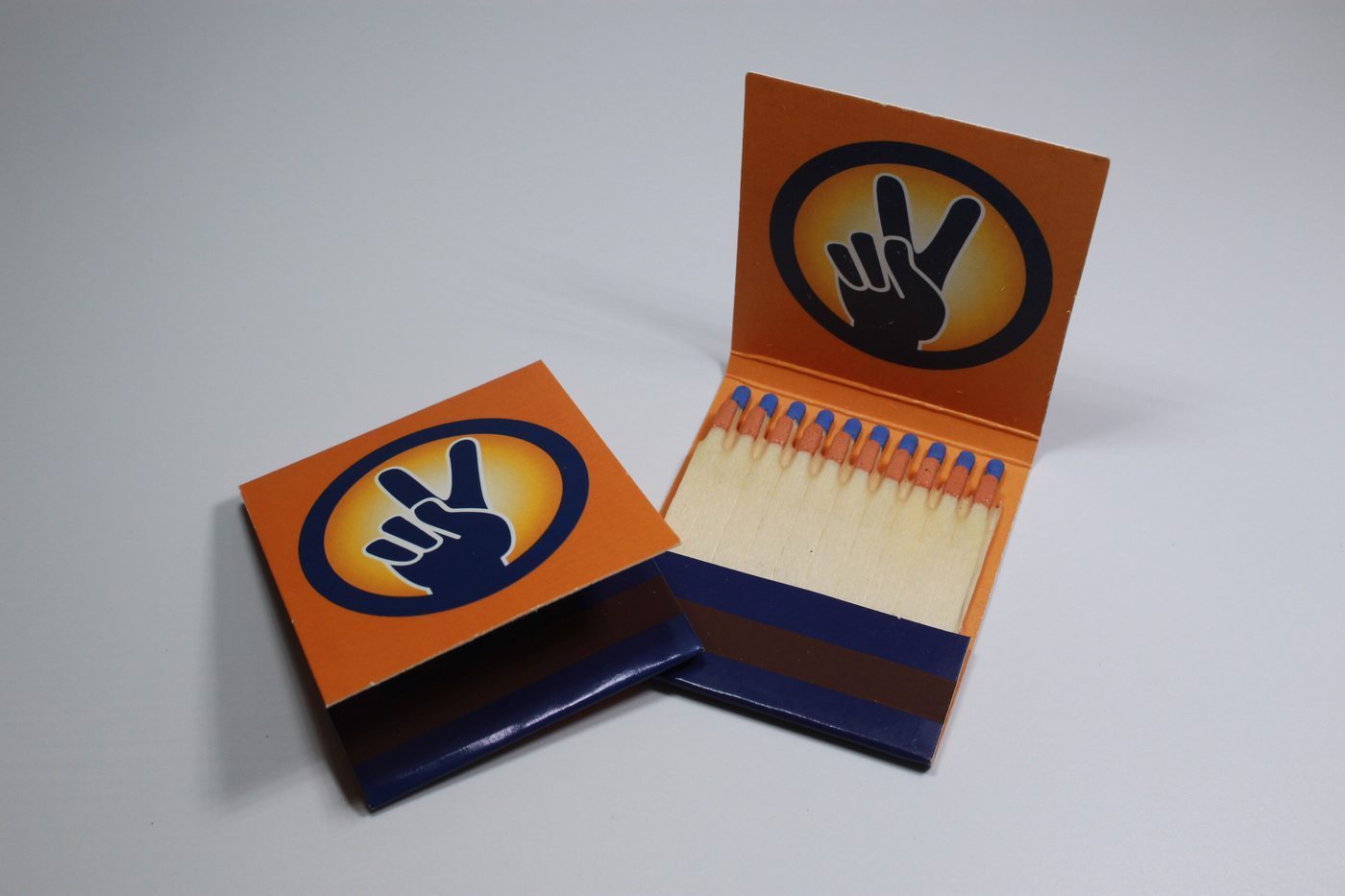
2. The Head: What Burns, and What Doesn't
A match head is an oxidiser plus fuel, dyed for colour. The genuinely meaningful upgrade here is safety-formulated heads — they ignite only on the prepared strike strip, which means no wandering sparks and no need for hazardous strike-anywhere chemistry. Ask any supplier how heads are formulated and tested (we check every batch against EN 1783 parameters). If a supplier can't answer that question in one sentence, keep walking.
3. The Box: Where Most of the Footprint Lives
For a matchbook, the box is the product; for slide boxes, packaging outweighs the matches. The meaningful choices:
- Uncoated kraft or recycled board — recyclable, and the natural look suits eco branding anyway.
- Soy or water-based inks — standard options we offer on eco lines; they keep the board recyclable.
- Plastic-free — no lamination film, no plastic window, no foam inserts. Paper inner trays instead.
- Refill thinking — the most eco matchbox is the one that doesn't need re-buying. A durable glass jar refilled with bulk sticks beats a new printed box every season.
4. The Honest Trade-Offs
Say it before your customers do: a foil-stamped, laminated gift box is not an eco product, however nice the wood is. Three workable positions:
- The eco line — kraft matchbooks or uncoated boxes, FSC wood, soy inks. Certifiable and honest.
- The durable keepsake — a heavy jar or rigid box designed to be refilled and kept for years; the footprint amortises across a decade of use.
- The honest premium box — conventional luxury packaging, no green claims. There is dignity in not claiming it.
What doesn't work: laminated plastic-feel boxes with a leaf printed on them. European and US retailers increasingly check these claims, and greenwashing costs more than it sells.
5. Certifications Worth Asking For
| Certification | Covers | Worth it? |
|---|---|---|
| FSC (wood) | Responsible forestry, chain of custody | Yes — the gold standard for the wood |
| BSCI | Social compliance at the factory | Yes — retailers increasingly require it |
| EN 1783 testing | Match performance and quality parameters | Yes — proof of function, not just materials |
6. What an Eco Order Looks Like
A typical eco line from us: kraft matchbook or uncoated slide box, FSC poplar splints, soy-ink printing, one-colour logo, no lamination. MOQs match our standard lines — around 10,000 matchbooks or 5,000 boxes — and unit prices sit close to standard products because the savings on lamination offset the certified wood. Full specification here.
Frequently Asked
Are matches themselves bad for the environment?
A match burns wood, a little paraffin and an oxidiser — over its life it is a small footprint, especially next to a butane lighter. Packaging, not the match, is where the impact concentrates.
Is FSC wood more expensive?
Slightly, at the raw material level — usually a few percent on the final unit price. Most brands consider it the cheapest credible green claim they can print.
Can you do plastic-free luxury boxes?
Yes — uncoated rigid board with foil and emboss instead of lamination, paper inner trays, no plastic window. It reads premium and recycles clean.
Do eco matches strike as well as standard ones?
Identical heads, identical strike strips — the wood species and head chemistry don't change. Performance is verified per batch regardless of line.